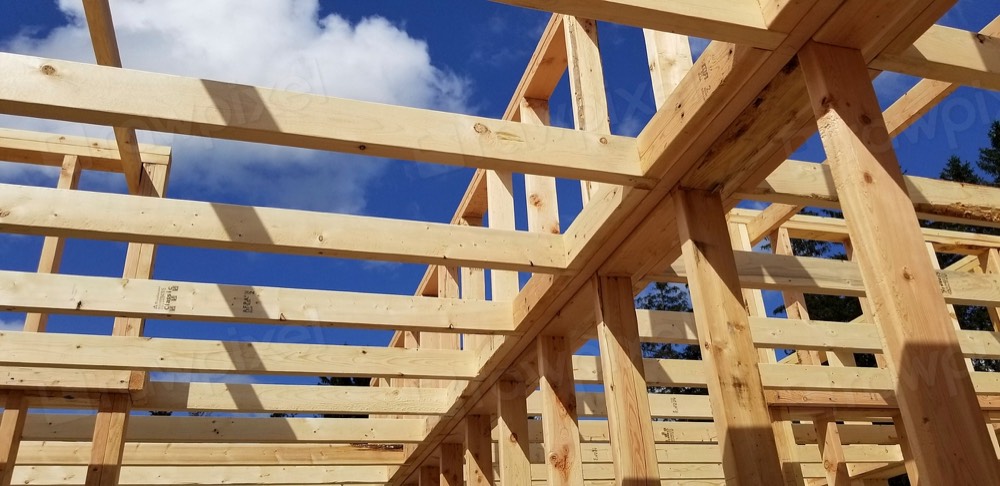
A one-time close loan covers the build and the long-term mortgage with a single approval and closing. A two-time close uses a construction loan first, then a separate mortgage when the home is finished.
Side by side
| One-time close | Two-time close | |
|---|---|---|
| Closings | One | Two |
| Closing costs | One set | Two sets |
| Long-term rate | Set at the start | Set when the home is finished |
| Qualifying again | No | Yes, for the long-term loan |
| Flexibility | Locked into the program from the start | You can shop the long-term loan when the build ends |
When a one-time close fits
- You want certainty about the long-term loan before you build.
- You want one set of closing costs.
- Your income or job could change during the build.
When a two-time close fits
- You expect rates to fall by the time the home is finished.
- You want to shop the long-term loan later.
- Your project doesn’t fit a one-time close program.
Guides and calculators
- Construction & bridge loans
- Closing costs and cash to close calculator
- Mortgage payment calculator
- Rural & acreage loans
Questions
Is a one-time close construction loan better?
It’s simpler and saves a second set of closing costs, and you don’t requalify. A two-time close gives you the chance to shop the long-term rate when the home is done.
How long is a construction loan?
The building period is usually about 12 months, sometimes up to 18 or 24 for larger projects. With a one-time close, the loan then becomes the long-term mortgage. See also: Construction & bridge loans.
Are construction loans higher interest?
During the build, usually yes, and you pay interest only on what has been drawn. The long-term mortgage afterward is priced like a regular home loan.
